Why I've Made Peace with Being an influencer (and What It Really Means)

Influencer by the beach, gathering ideas for his next article. Photo by Andrew Ball on Unsplash.
Reading time: 9 minutes
Author’s note: I’ve spent a decade working in academia and consulting, where influencing peers, policymakers, and the public was central to my work. The flavor of influence may be different now, but the core purpose—shaping ideas and sparking change—remains the same.
Understanding the Role of Finfluencers and the Power of Positive Influence
This article explores what it really means to be an influencer—especially a finfluencer—and why I’ve chosen to embrace the label despite its baggage. We’ll look at the role and risks of influencers, the ethics of finfluencing, how the attention economy works, and why influence isn’t just relevant for bloggers or Instagram celebrities.
By the end, you’ll see why I believe influence—done responsibly—can actually expand freedom rather than limit it. The questions this raises—about work identity, purpose, and designing a career on your own terms—sit at the heart of our guide to work, purpose, and Financial Independence.
What Does It Mean to Be an Influencer Today?
When most of us hear the word influencer, the image that typically comes to mind is someone on Instagram or Youtube promoting beauty products, travel or luxury lifestyles, or a constant stream of experiences that appear difficult to match. The stereotype also carries a sense of superficiality, often criticized for being more about appearances than substance. That’s why the role of an influencer often gets criticized, raising questions like: what is the main role of an influencer, and can it ever be positive?
When I first started writing at The Good Life Journey, I resisted the label or simply avoided thinking about it. Blogging felt for me like a creative outlet to share ideas—not some sort of identity box I wanted to be wrapped in. And, yet, writing for an audience, shaping perspectives, and encouraging certain actions in others does make me an influencer. So, the question really is not whether I am one, but what kind of influencer do I choose to be.
Influencing can be defined in more meaningful ways. Instead of associating it only with consumerism and status, influence can also be about encouraging others to think critically, proactively design better lifestyles, and pursue freedom and wellbeing over status. Being an influencer doesn’t have to be about transactional persuasion—it can also be related to transformational guidance.
So, instead of rejecting the label, I’ve chosen to embrace it with intention. If influence becomes inevitable—especially after reaching a certain readership threshold—then it’s my responsibility to use it for good: to spark reflection, encourage autonomy, and hopefully contribute to lives lived with more clarity and intentionality and less regret.

Most knowledge jobs nowadays are influencers too—a lot of your work is posted in social media and you are increasingly required by employers to be active on sites like LinkedIn. Photo by Anthony Tori on Unsplash.
Influence, Power, and Human Nature: Why We Are All Influencers
Influence is deeply ingrained in humans. Since the earliest days, families, tribes, and societies have relied on influence to pass down certain traditions, enforce norms, or build cohesion. Influence is tied to power, which is not inherently negative. The way it’s exercised—whether coercively or constructively—makes all the difference.
Many people fear influence because they think of manipulation. Indeed, under certain circumstances, influence can limit freedom when it pressures people to conform, consume, or obey. But it can also expand freedom in others when it encourages people to think for themselves, challenge established assumptions, and align their choices with their values and lifestyle preferences.
That’s precisely the type of influence I strive for on The Good Life Journey. When I write about Financial Independence (FI), lifestyle design, or healthy living, I’m not prescribing some rigid formula. I’m offering tools and reflections so readers can have more control over their money—and ultimately over their time and wellbeing. Positive influence here means expanding options for others, not narrowing them down.
For me, it’s not about chasing clicks or rushing to FI at all costs. I’m not so far from FI myself; I see the financial side of the blog as a plus, but not the main driver—I’d expect to continue writing long after reaching FI because I enjoy the creative outlet and the idea of helping others. I’m not here to push products or shortcuts that aren’t good for my readers just to get to FI in five years instead of six.
Interestingly, some of the most meaningful influence I’ve had hasn’t been through the blog at all, but in quiet conversations with close friends. In the culture I grew up in, money was rarely discussed, yet once I started writing openly, those around me were curious and began asking their own questions. I’ve also noticed that nearly everyone hopes to shorten their career—even people who don’t particularly dislike their work.
Ultimately, influence is not something reserved for bloggers or YouTubers—we are all influencers in our jobs and in the lives of those around us, whether we realize it or not.

We think of influencers as YouTubers, but the reality is a large share of knowledge jobs increasingly require some form of influencing. Photo by Till Daling on Unsplash.
From Academia to Blogging: How Influence Evolves
Before becoming a blogger, I spent a decade in academia and consulting, focusing on environmental and climate change-related issues. On paper, it looks like a dramatic shift—from writing academic papers and technical reports to publishing blog posts. And it is a very significant change in some ways. But in the end, the core activity is still similar in nature: I still research, write daily, and aim to influence how people act.
What has changed is the rhythm. Academic work sometimes means sinking years into a single project or paper—sometimes with a dead end, like a topic that is no longer pursued. How important was the work, really, if you dropped it after investing so much time in it? With luck, you emerge with publications that a handful of peers may read closely. Most, however, will likely just scan through your work to get the gist of it—either for referencing it in their own paper or to spark further ideas.
At my previous employer in consulting, a large amount of energy went into the timing and shaping of our yearly work to make sure it aligned with major conferences and policy events. In theory, this was to maximize impact. In practice, many of these gatherings were all about influence, serving more as networking events than genuine mediums of change—environmental and climate change academics and consultants flying across the world for the marketing of their firm.
In blogging, I tackle much smaller research questions in each article. Many of them, though, build on one another and allow you to incrementally progress on a single topic over a long period of time, while others can be dropped if they simply don’t resonate. The cycle is much faster, flexible, and rewarding than it was in academia.
The continuity lies in the craft: critical thinking, evidence, and clarity still matter. I even still use coding to develop personal finance tools. But the major change lies in the impact. Instead of reaching 20 readers with a paper in some niche journal, my words have reached tens of thousands of people since the beginning of this year. The immediacy and reach are energizing, and it’s exciting to see the blog’s readership growing so quickly..
Who knows, in the future, I may look back and see this not as a career break, but more of an evolution. Academia shaped my evidence-based writing; blogging channels my energy into conversations that are actually accessible, engaging, and practical for a much wider audience. In some ways, I’ve transitioned from a microinfluencer to an influencer.
And yet, beyond academia or blogging, there’s another factor shaping how influence works today: the rise of the attention economy.

The attention economy starts as soon as you open your eyes in the morning. Photo by Hugh Han on Unsplash.
The Attention Economy Explained (and Why It Matters for Finfluencers)
It’s not a secret that we live in what’s called the attention economy, where attention has become currency. Many platforms, companies, and creators are constantly competing for the same resource—the human mind. What we pay attention to ultimately shapes our choices, habits, and ultimately, the trajectory of our lives.
This reality can feel overwhelming, but it also underscores why influence matters. If attention is an asset, then how we use it—both as creators and consumers—defines its value. Attention can be squandered on distractions or invested in ideas that help us grow.
In academia, I often poured a year of work into a single report or paper, only to see it gather dust with a relatively small audience. In contrast, a blog post holds the potential to be read by thousands almost immediately. The shift is staggering, and actually makes me aware of the responsibility that comes with increased visibility.
When people choose to spend their time on The Good Life Journey, I want them to leave energized and with more clarity and empowerment than when they arrived. In a very noisy world, positive influence means curating signal over noise, and providing depth over distraction.

At its core, pursuing Financial Independence is all about designing what you want your life to look like. Photo by NEOM on Unsplash.
Financial Independence: Influence Beyond Money
At the outset, money seems like a dry subject. And, yet, questions about money are really questions about time and life itself. Do you want to spend 40 years in a job you dislike, or do you want the freedom to design a life aligned around your values and lifestyle preferences? If we listen to the most common regrets of the dying, the answer should be clear.
How you think about, manage, and spend your money can determine what you do with your time. This is the central theme of Financial Independence, and one of the main topics covered in the blog.
Influence here isn’t about convincing anyone to follow a rigid blueprint. It’s about inviting people to reflect on whether their own current life trajectory will bring them fulfillment—or regret. Better to think about life design now than to look back on a deathbed wondering what could have been.
Topics covered in the blog extend beyond Financial Independence and personal finance: it includes health, work, life philosophy, and more, all of which intertwine. My role is not to prescribe answers, but to encourage readers to ask the right questions, early and often. Influence here becomes a gentle nudge towards pursuing intentional living—whatever that means in your life.
If someone is already feeling very fulfilled in life, then great—no change is needed. But for those who feel stuck in some form of society’s momentum, the invitation is simple: take a step back, pause and reflect, then take action to proactively realign your life. That’s the kind of influence that expands freedom rather than constrains it.
Some critics argue that financial independence is only realistic for high earners. While income certainly helps, I believe mindset and spending choices play just as big a role. LeanFIRE, for example, shows that focusing on low consumption and intentionality can accelerate freedom even without a huge salary.
One recurring theme of the blog is skepticism about status-driven consumption. Many people trade decades of freedom for houses, cars, or lifestyles they don’t even truly want—just to keep up appearances. My message here is simple: care less about what others are doing, and care more about proactively designing and living a life you won’t regret.
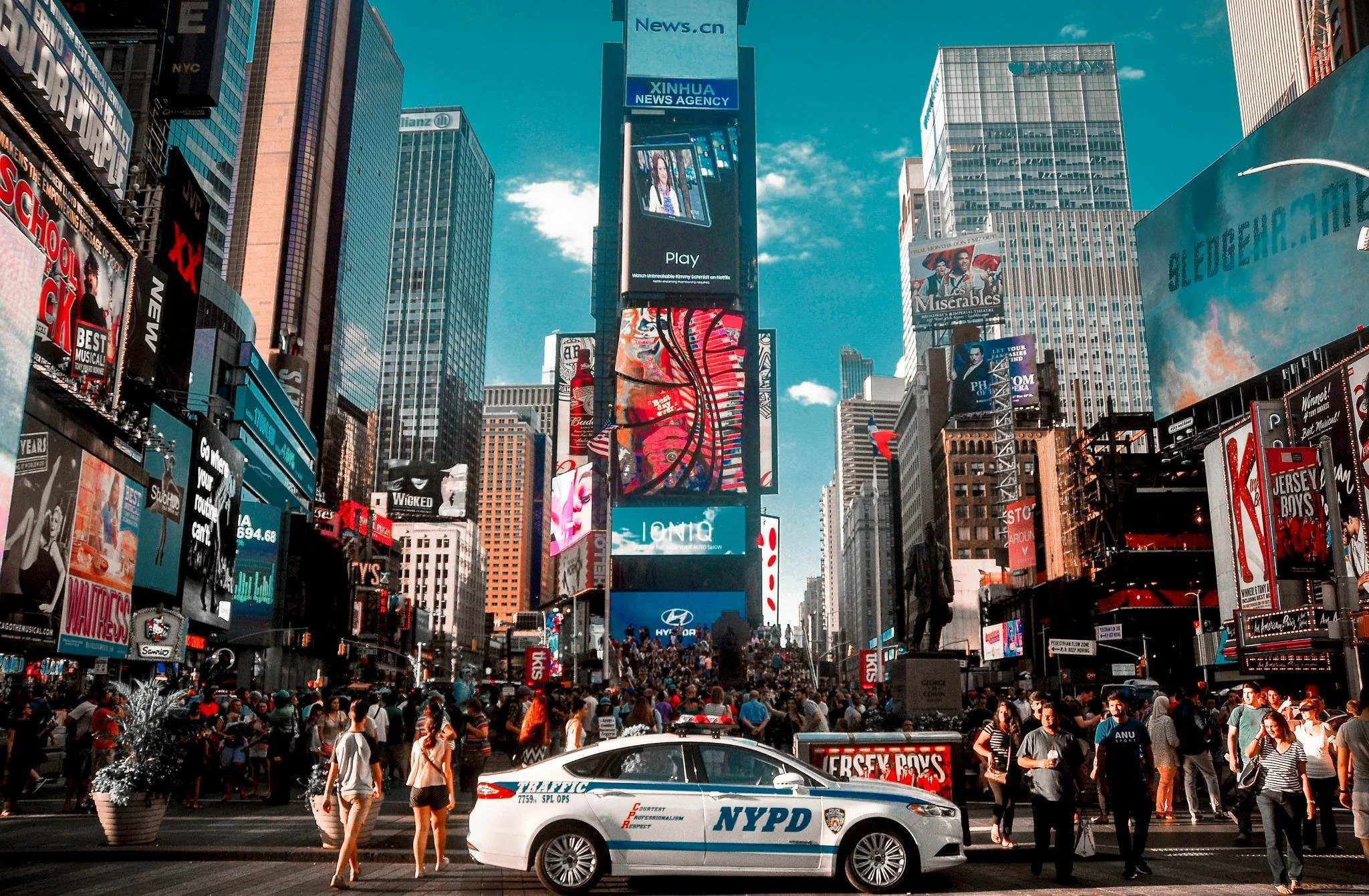
Our status-driven consumption is often the largest barrier to pursuing Financial Independence. Photo by Victor He on Unsplash.
The Ethics and Responsibility of Finfluencers
As mentioned, with influence comes responsibility. Just as I once held responsibility to ensure rigor of my research or tailor my advice to the needs of my clients as a consultant, I now hold the responsibility to be honest and transparent in what I write. Influence is not only what I share, but also what I refuse to share—hype, marketing manipulation, or unrealistic financial shortcuts.
Critics of finfluencers often point out the dangers of overselling—flashy promises of wealth, unrealistic projections, or hidden agendas. These criticisms highlight the real risks of finfluencers—misleading promises, quick-fix schemes, and hidden incentives.
That’s why I strive to deliver the opposite. I write about low-consumption lifestyles (e.g., LeanFIRE), realistic FIRE strategies, and the pitfalls of chasing status at the cost of freedom. Our blog does not promise a get-rich-quick scheme, but a get-rich-slow scheme—one where patience and consistency win the race over time.
Responsibility also means understanding the weight of attention. If readers choose to give me their time, I owe them substance and respect. This means working to the best of my abilities through thoughtful research, careful arguments, and showing humility about what I don’t know.
In the end, I see influence as not about controlling others, but about empowering them—to lead better, happier, and healthier lives. Owning that responsibility is what finally allowed me to stop resisting the label and instead make peace with being an influencer.
Even if it wasn’t making you happy, it can be challenging to abandon a career you’ve invested a lot of time and effort in. Photo by ThisisEngineering on Unsplash.
Making Peace with Being a Finfluencer
I hesitated for a long time in telling others about my blog. After all, I had built a career in academia and consulting, and suddenly I was writing about personal finance and life philosophy. Would people think I’d lost my mind, abandoning my field? Would they take it seriously? Would they see this as a mid-life crisis? Honestly, it is a mid-life crisis—one I wish I’d have experienced much sooner.
To my surprise, the reactions are overwhelmingly positive. Not only are people close to me respecting the change, but many quickly engage with the content. Conversations about my blog shift very quickly into reflections on their own finances, priorities, and life goals. Ultimately, everyone feels a little bit trapped and wants to chase the best live for themselves. That’s what we’re all here for—it should be our ultimate common ground.
Outside of the blog, I’ve realized influence doesn’t have to be pushy. It can be quiet, honest, and conversational—ideally led by others, not me. Even among close friends, where money is often taboo, the blog has sparked thoughtful dialogue that otherwise might never have happened. It’s certainly hard to learn about something when you’re not willing to talk about it.
I’m no longer resisting the label of “influencer”. If someone asks I sometimes say “I’m a researcher and consultant turned influencer”. Most knowledge professions are influencers, even if they’ve never thought of themselves like that. Instead of (hopefully) influencing 20-100 people in my technical report, I’m now reaching tens of thousands of readers who are trying to make meaningful changes in their lives.
This isn’t something I plan to stop once I reach FI. Writing, researching, and connecting through the blog has become a really nice experience in itself. Even if money were no longer a concern, I’d keep at it—because exploring these questions and sharing them openly is, for me, part of the good life.
I know many people wonder whether they should trust finfluencers at all. My answer is this: don’t trust anyone blindly. Instead, look for consistency, transparency, and honesty over time—and judge by whether the message helps you build a life aligned with your own values.
If influence means encouraging people to step off the rat race, question status-driven consumption, and design lives they truly want, then I am proud to claim the label.
💬 I'd love to hear your thoughts—what’s your view on influencers (and finfluencers) and how do you distinguish good ones with ones driven exclusively by profit? Please let us know in the comments.
If you enjoyed this article, here are some next steps:
👉 Want the complete framework for rethinking your relationship with work and purpose? See our complete guide to work, purpose, and Financial Independence
👉 New to Financial Independence? Start with our complete guide to FI and FIRE
👉 Use our free FI Calculator to see how far you are from financial freedom
👉 Subscribe to get free FI tools and the weekly newsletter (one-click unsubscribe anytime)
👉 Browse 130+ articles on FI, investing, work, and health at The Good Life Journey
🌿 Thanks for reading The Good Life Journey. I share weekly insights on personal finance, financial independence (FIRE), and long-term investing — with work, health, and philosophy explored through the FI lens.
Disclaimer: I’m not a financial adviser, and this is not financial advice. The posts on this website are for informational purposes only; please consult a qualified adviser for personalized advice.
Check out other recent articles

























About the author:
Written by David, a former academic scientist with a PhD and over a decade of experience in data analysis, modeling, and market-based financial systems, including work related to carbon markets. I apply a research-driven, evidence-based approach to personal finance and FIRE, focusing on long-term investing, retirement planning, and financial decision-making under uncertainty.
This site documents my own journey toward financial independence, with related topics like work, health, and philosophy explored through a financial independence lens, as they influence saving, investing, and retirement planning decisions.
Frequently Asked Questions (FAQs)
-
An influencer’s role is to shape opinions, choices, and behaviors. While often associated with consumerism, influence can also mean helping people think critically, design better lives, and make intentional choices.
-
Finfluencers can inspire people to save, invest, and take control of their finances. At their best, they democratize financial knowledge. At their worst, they risk oversimplifying complex topics or promoting products for profit.
-
The risks include misleading advice, unrealistic expectations, or conflicts of interest. Readers should be cautious of “get rich quick” promises and always verify information before acting.
-
Ethical finfluencers prioritize transparency, honesty, and the long-term wellbeing of their audience. They avoid hype and disclose incentives. Ethics matter because influence affects financial decisions with lifelong consequences.
-
Trust depends on the finfluencer’s track record and transparency. If they’re pushing products without clear disclosure or promise unrealistic returns, be skeptical. Look for influencers who emphasize education over selling.
-
The attention economy describes how platforms and creators compete for human attention, which has become a scarce resource. What we focus on shapes our lives, making attention one of the most valuable assets today.
-
Yes. Whether in our jobs, families, or communities, we influence others every day. Recognizing this responsibility can help us use influence more thoughtfully—whether or not we have a blog or social media following.
Join readers from more than 100 countries, subscribe below!
Didn't Find What You Were After? Try Searching Here For Other Topics Or Articles: